The AV terms worth knowing before you plan an event cover video connectors (VGA, HDMI and DVI), rigging (plots and points) and common moving lights (spot, beam and LED fixtures).
Planning an event with no knowledge of shop talk can be intimidating. A basic understanding of event terminology aids in decision making, budget discussions and prioritization. The Sight & Sound professionals are here to ease your nerves and bring your event to life. If you want to avoid any confusion during the planning process, here are the most common AV terms you’ll want to know.
MOST COMMON AV TERMS YOU’LL WANT TO KNOW:
TYPICAL VIDEO CONNECTORS: VGA, HDMI, DVI
- VGA (video graphics array) cables provide an analog signal to computer monitors, projectors, TVs and laptops. This was a popular cable connector years ago, but is no longer ideal for top-quality graphics and images.
- HDMI is practically a household word at this point. These cables carry audio and video to modern computers and TVs. HDMI cables are a go-to option for high-quality video.
- DVI (digital visual interface) connects a video source to a display device. For example, a DVI can link a video display controller to a projector. This is commonly used for video but not audio.
ALL ABOUT RIGGING: PLOTS, POINTS
Rigging is a common term that shows up on most AV quotes. First, let’s break down what this costly (but absolutely necessary) AV equipment actually is. This one word refers to the metal set-up on the ceilings of event spaces to hold speakers, projectors, lights, cable and more.
- Rig plot: Your venue creates this diagram to identify rigging point locations for where items can safely hang throughout the space (based on weight capacity and safety measures).
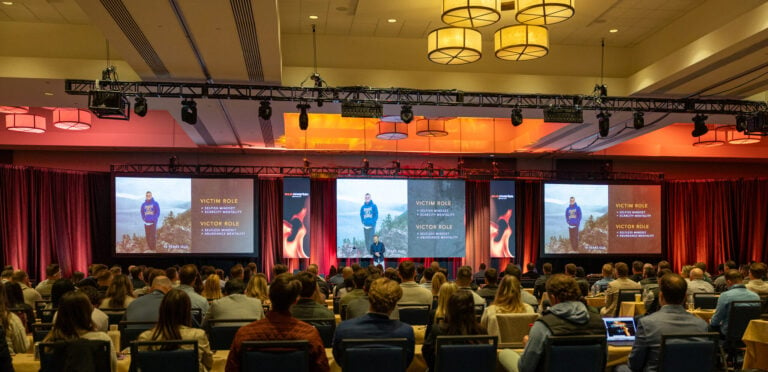
- Truss: This is the metal frame you see on the ceilings of many event spaces. Equipment attaches to the truss to create your ideal vent atmosphere and experience.
- Genie Scissor Lift: Experienced AV technicians use this machine to raise themselves up to 30 feet in the air. This allows your AV team to access the truss and equipment as needed.
COMMON MOVING LIGHTS: SPOT FIXTURES, BEAM, LED
Lights with mobile head fixtures are a common component of top-of-the-line events. The most common moving lights include:
- LED: This energy efficient option projects in the color(s) of your choice to create the desired ambiance for your unique event.
- Spot fixtures: Also called gobos lighting, these lights can project logos, silhouettes, words, patterns and more.
- Beams: Streams of tight light that are not to be confused with lasers. This is a common light choice for live music and stage performances.
Sight & Sound Productions is Your Source for Advanced AV Services and Equipment
You don’t have to navigate the world of event contracts and discussions alone. Our team consists of top-notch planners, production experts, decor professionals and so many more. Do you need help with an event this year? Contact Sight & Sound today to get started.